
How to Hire a Painting Contractor for Multi-Family Properties in Orange County
Repainting a large multi-unit property is a major investment and choosing the right painting contractor can make or break the outcome. For apartment owners and multi-family property owners in Orange County, large-scale exterior painting requires more than just labor. It takes experience, planning, the right equipment, and a strong focus on safety.
Here’s what to look for when hiring a painting contractor for a large multi-unit exterior project.
Look for Experience With Large-Scale Properties
Not all painting contractors are equipped to handle large apartment communities or multi-building properties. A qualified contractor should have proven experience with:
Multi-unit and multi-building exteriors
Occupied properties
Phased scheduling across large sites
Ask for examples of similar-sized projects and how they managed production across multiple buildings.
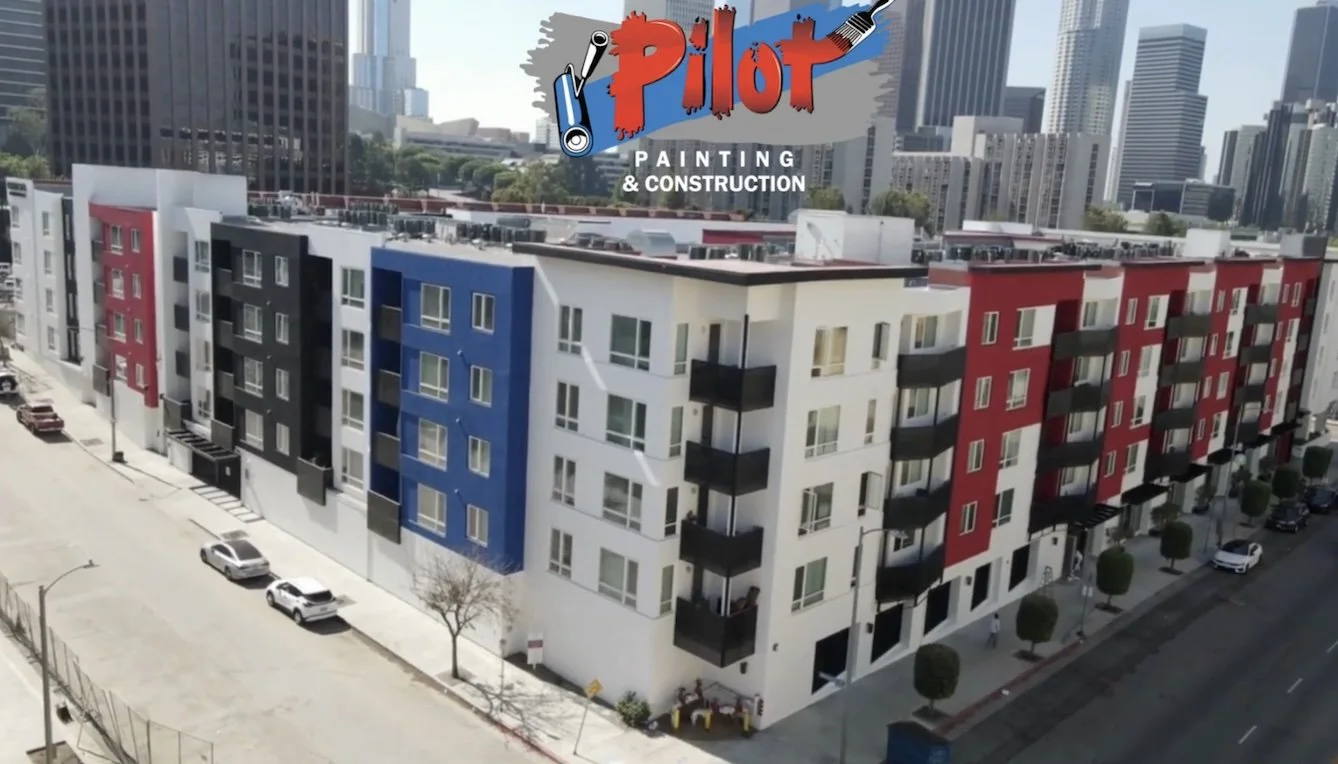
Multi-family exterior painting done by Pilot Painting. Pilot has 50 Years experience of painting large scale apartment complexes throughout SoCal. Contact for a free quote!
~ Picture of Canvas Apartments in Los Angeles, Ca
Prioritize Exterior-Only Commercial Expertise
Large-scale multi-unit painting is very different from residential or small commercial work. The right contractor should specialize in commercial exterior painting, including:
Building exteriors
Trim, railings, and stairwells
Iron fencing and metal components
This ensures crews, materials, and processes are built for durability and consistency at scale.
Ensure They Have Boom Lifts and Proper Access Equipment
Multi-level apartment buildings require more than ladders. A professional contractor should own or operate boom lifts and proper access equipment to safely and efficiently reach higher elevations. This not only improves productivity but also reduces risk to residents, vehicles, and common areas.
Ask how they plan to access upper levels and protect surrounding areas during lift operations.
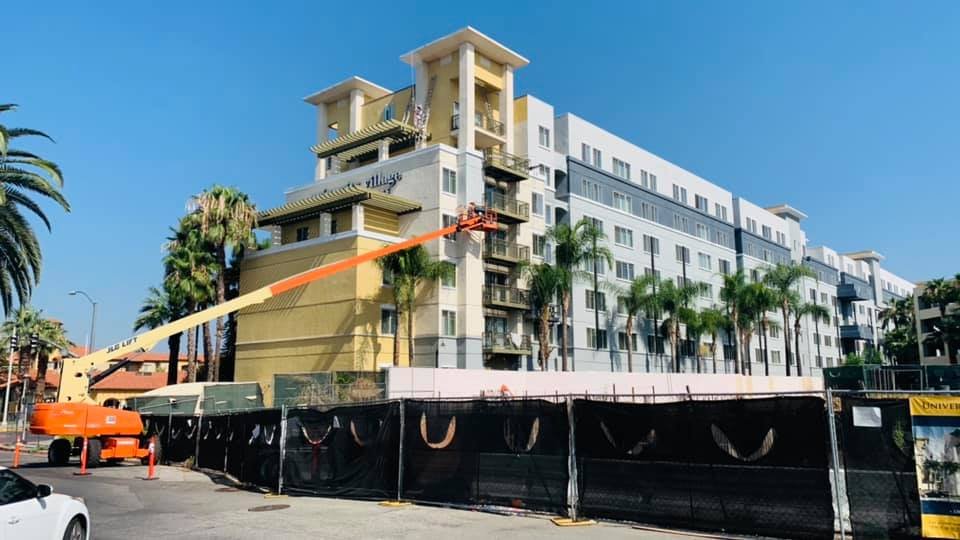
Pilot Painting uses a Boom lift to repaint a large apartment complex in San Diego, Ca.
Safety Training Matters on Occupied Properties
Safety is critical when painting large, occupied communities. The right contractor should have trained crews and safety protocols in place to protect residents, staff, and visitors. This includes:
Jobsite safety planning
Controlled work zones and signage
Lift safety and equipment training
Clean, organized daily work areas
Strong safety practices help keep tenants comfortable while work is underway.
Make Sure Repairs Are Included
Exterior painting projects often uncover underlying issues. A reliable contractor should be able to address repairs as part of the scope, including:
Stucco repair and patching
Stucco resurfacing to modernize older finishes
Wood repair or replacement for dry rot and peeling paint
Handling repairs within the same scope keeps projects moving and avoids unnecessary delays.

Wood Repairs being made to Multi-family unit carports performed by SoCals top rated commercial Painting Contractor Pilot Painting & Construction.
Ask About Surface Preparation
Prep work is one of the biggest factors in how long a paint job lasts—especially on large properties. Proper prep should include:
Power washing
Scraping and sanding failing paint
Caulking joints and gaps
Priming problem areas
Skipping prep may lower the initial price, but it often leads to premature failure.
Get a Clear Scope and Schedule
Before hiring, make sure the proposal clearly outlines:
Areas included and excluded
Repair allowances or alternates
Phased scheduling approach
Timeline expectations
Clear scopes and schedules reduce surprises and help projects stay on track.
Final Thoughts
Hiring the right painting contractor for a large-scale multi-unit exterior project in Orange County comes down to experience, equipment, preparation, and safety. The right partner won’t just apply paint—they’ll protect your property, modernize its appearance, and maintain a safe, organized jobsite from start to finish.
If you’re planning a large-scale exterior repaint, the best first step is a site walk. It allows the contractor to evaluate conditions, confirm access needs, and provide an accurate, reliable proposal.
